
News | BOOSTER >
From research to field validation: BOOSTER partners gather in Ghent for Fourth Annual Meeting
BOOSTER partners came together in Ghent, Belgium, from 3 to 5 June 2026 for the project’s Fourth Annual Meeting, hosted at the VIB-UGent Center for Plant Systems Biology.
As drought continues to put pressure on cereal production, the meeting brought the consortium together at an important stage of the project: moving from discovery and early testing towards field validation, environmental assessment and stakeholder engagement.
Across three days, partners reviewed how the different strands of BOOSTER research are coming together to support more drought-resilient cereal production systems. Discussions covered progress in understanding the genetic mechanisms that help crops respond to water stress, the development of microbial and seaweed-based biostimulants, and the testing of selected solutions under field conditions.
A central message from the meeting was the importance of connecting scientific discovery with practical agricultural solutions. BOOSTER is exploring drought resilience from several complementary angles: identifying useful genetic features in crops such as maize, teff and Eragrostis nindensis; developing biological products that can support crop performance under water stress; and testing these approaches in realistic growing environments. This transition towards real-world validation is now well underway. Partners discussed ongoing maize biostimulant field trials across several European regions, including the Po Plain, Southern France, Spain, Hungary and Southeast Bulgaria. These trials are designed to evaluate how selected BOOSTER biostimulants perform under field conditions and different drought-related scenarios. At the time of the meeting, the trials were still in progress, with field data expected later in the season.
The meeting also looked beyond technical performance. Partners discussed how BOOSTER solutions will be assessed from an environmental perspective, including through Life Cycle Assessment work that will use field data to better understand the environmental footprint of the tested approaches. This will help the project evaluate not only whether the solutions work, but also how they may contribute to more sustainable crop production systems.
Another key theme was how BOOSTER results can reach the people and organisations that may use, support or build on them. The consortium reviewed progress in dissemination, communication, intellectual property and exploitation planning, including scientific publications, public deliverables, project news, newsletters, media coverage and the monitoring of potential exploitable results.
Collaboration beyond the consortium was also highlighted. Partners discussed ongoing networking with European and African initiatives, including the mapping of relevant projects and opportunities to strengthen cooperation around crop resilience, biostimulants, microbiome innovation and genomic tools. BOOSTER’s collaboration with the HelEx sister project was also addressed as part of the project’s wider effort to build synergies with related initiatives.
The final day placed particular emphasis on stakeholder dialogue. BOOSTER partners presented key scientific advances to members of the Stakeholder Network and discussed how to improve engagement with external actors. Ideas included more targeted webinars, possible field visits for farmers and advisors, and communication materials linked to field activities, helping ensure that project results are shared in formats that are relevant and accessible to different audiences.
The Fourth Annual Meeting marked an important step in aligning BOOSTER’s next phase. As field trials progress and new results become available, the consortium will continue working to validate innovative solutions, strengthen collaboration and support the development of more drought-resilient maize and teff production systems.


About IDConsortium
IDConsortium is a consultancy founded in Seville in 2009 with the aim of helping researchers and companies to internationalize and showcase their Research and Development (R&D) by joining international consortia to carry out different lines of research, development and innovation.
To date, it has successfully managed 22 European and national projects, worth more than €88 million in public funding. Currently, more than 250 European and international partners are part of its network.
For more information and press
Macarena Sanz
More news about BOOSTER:

BOOSTER advances seaweed-based biostimulants for drought-resilient crops
BOOSTER partner BioAtlantis has advanced the development of innovative seaweed-based biostimulant solutions designed to help crops better cope with drought stress.
BOOSTER field trials put promising maize biostimulants to the test under drought
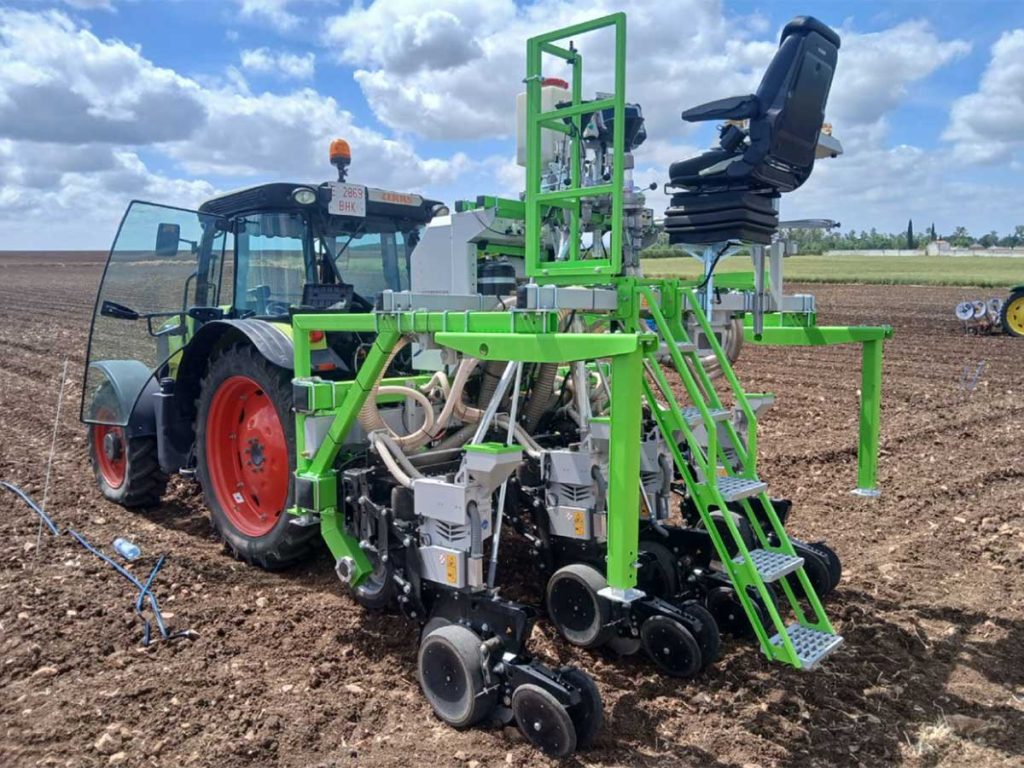
BOOSTER partners launched new maize field trials across Europe to assess how selected biostimulant solutions can help crops cope with drought while supporting plant health and productivity.
EIAR advances BOOSTER field validation of microbial biostimulants for drought-stressed teff
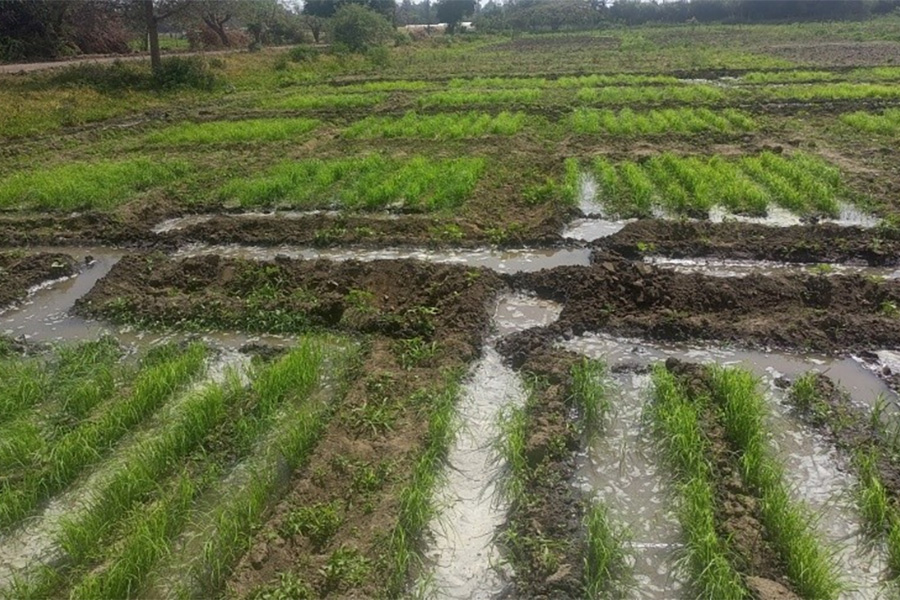
One of EIAR contribution has been the successful development and optimisation of a protocol for the mass production of microbial biostimulants through seed coating, also known as pelleting.