
News | BOOSTER >
From Nantes to university classrooms: BOOSTER shares advances in drought-resilience research (EPIPLANT 2026)
From an international plant epigenetics conference in Nantes to university classrooms in Düsseldorf and Montpellier, BOOSTER researchers are sharing scientific knowledge, exploring new applications for their methodologies and introducing students to innovative approaches for improving crop resilience to drought.
In June 2026, BOOSTER-related research was presented at EPIPLANT 2026, an international scientific meeting on plant epigenetics held in Nantes, France. The conference brought together researchers working on plant epigenetics, gene regulation and plant responses to environmental conditions, providing a valuable opportunity to exchange knowledge and explore new scientific connections.

An oral presentation entitled “Pan-cistrome analysis: Quantifying (epi-)genetic variation influencing transcription factor binding sites”, authored by Julia Engelhorn and an international team of researchers, explored how genetic and epigenetic variation can influence the binding of transcription factors, which play a central role in regulating gene activity. This research is closely linked to BOOSTER’s efforts to understand the molecular mechanisms underlying plant responses to drought and identify genetic features that could contribute to improved crop resilience.
Beyond the presentation, the conference opened opportunities for further scientific exchange. Discussions with Maike Stam and Maira Dourado, associated with the EpiSeedLink project, focused on the potential application of differential MOA-seq analysis methods developed within BOOSTER to other plant species, including canola. Follow-up exchanges were planned to share these methodologies and explore their wider applicability, demonstrating how tools developed within BOOSTER could support research beyond the project’s target crops, maize and teff.
Alongside these scientific activities, BOOSTER researchers are contributing to education and capacity building. At the University of Düsseldorf (UDUS), Thomas Hartwig, Sohini Mukherjee and Sergius Weizel are delivering a four-week Bachelor’s teaching module entitled “How to engineer drought tolerant plants”, introducing third-year students to scientific approaches for understanding and improving plant responses to water stress.
BOOSTER has also reached Master’s students in Plant Biology at the University of Montpellier. During a lecture on grant writing held on 21 September 2026, the project was presented as an example of a collaborative, multinational research initiative focused on crop improvement, illustrating how international partnerships can combine complementary expertise to address complex agricultural challenges.
From sharing research methods with fellow scientists to bringing drought-resilience research into university classrooms, these activities show how BOOSTER’s work is reaching beyond the consortium, creating opportunities for scientific exchange and engaging the next generation of plant researchers.


About IDConsortium
IDConsortium is a consultancy founded in Seville in 2009 with the aim of helping researchers and companies to internationalize and showcase their Research and Development (R&D) by joining international consortia to carry out different lines of research, development and innovation.
To date, it has successfully managed 22 European and national projects, worth more than €88 million in public funding. Currently, more than 250 European and international partners are part of its network.
For more information and press
More news about BOOSTER:

BOOSTER advances seaweed-based biostimulants for drought-resilient crops
BOOSTER partner BioAtlantis has advanced the development of innovative seaweed-based biostimulant solutions designed to help crops better cope with drought stress.
BOOSTER field trials put promising maize biostimulants to the test under drought
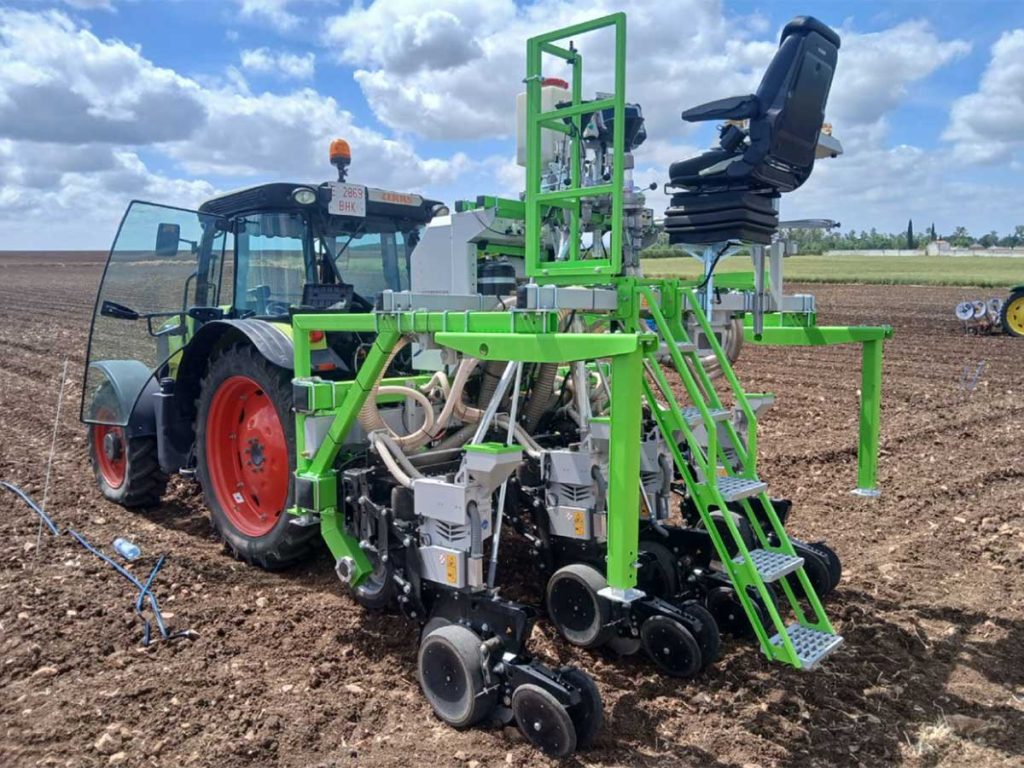
BOOSTER partners launched new maize field trials across Europe to assess how selected biostimulant solutions can help crops cope with drought while supporting plant health and productivity.

From research to field validation: BOOSTER partners gather in Ghent for Fourth Annual Meeting
BOOSTER partners came together in Ghent, Belgium, from 3 to 5 June 2026 for the project’s Fourth Annual Meeting, hosted at the VIB-UGent Center for Plant Systems Biology.